Featured
The Basic Principles Of Maintaining Post-Debt Financial P...

Top Guidelines Of Tools Provided Through Financial counse...
Table of Contents
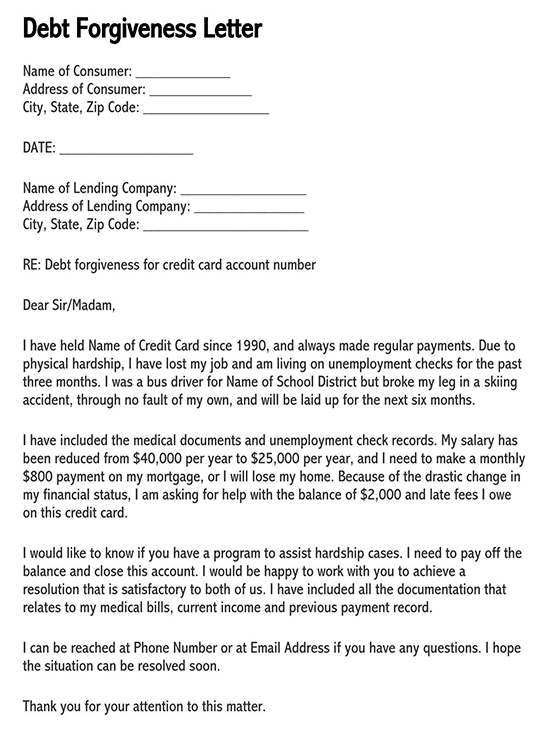
That liberates money in the short term, and you may have 3 to four years to conserve toward the negotiation amount. Extremely hazardous to credit rating, primarily as a result of missed repayments and an adverse "cleared up" mark that could stay on your credit history report for approximately seven yearsMay be only choice if various other options (financial obligation consolidation, balance transfer bank card, financial debt forgiveness) aren't possibleTypically requires a fee to the third party, which could offset some or all of the financial savings from debt settlementMay aid you stay clear of bankruptcy if you've missed a number of paymentsNot all lenders deal with financial debt negotiation companies Financial debt mercy might be right for you if you are experiencing a monetary challenge that makes it almost difficult to pay down your financial obligation equilibriums.
With a DMP, you make one monthly settlement to the credit rating therapy company. Those funds are after that dispersed to financial institutions of your unsafe debts, such as charge card and installment loans. The agency deals with your financial institutions to lower rate of interest or waive costs, however some lenders may decline such giving ins.
It can assist you pay down financial obligation if you're able to secure a financing price that's reduced than the typical rate of the accounts you're settling. You must abstain from racking up debt on those freshly gotten rid of accounts or your financial obligation could expand even greater.
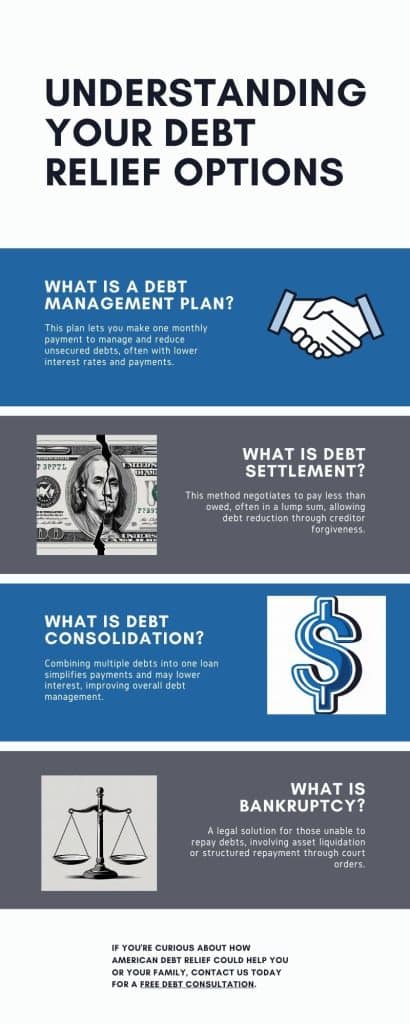
These cards usually use a 0% interest introductory duration of approximately 21 months. That provides you a lot of time to remove or substantially decrease your balance while making interest-free settlements. For some individuals encountering insurmountable financial debt, insolvency might be the only way to quit collection process and legally settle their financial debts.
How Your Introduction to Debt Counseling and What to Bring can Save You Time, Stress, and Money.
You might need it if your creditor or a collection company ever attempts to gather on the debt in the future. When a lender forgives $600 or even more, they are called for to send you Kind 1099-C.
Financial debt forgiveness or negotiation often injures your credit history. Anytime you work out a financial debt for less than you owe, it may look like "resolved" on your credit rating report and impact your credit history for seven years from the day of settlement. Your credit history can likewise drop considerably in the months leading to the mercy if you fall back on payments.
Excitement About Certified Guidance Preserves What You've Built
This situation commonly results from underreporting revenue, not submitting returns on time, or discrepancies located during an IRS audit. The repercussions of building up tax debt are severe and can include tax liens, which give the IRS a lawful insurance claim to your residential or commercial property as security for the debt.
Higher rate of interest on offered credit score. Wages and Financial institution Accounts IRS can impose (take) earnings and savings account to please the financial debt. Reduced income and interruption of important monetary processes. Building Seizure In extreme instances, the internal revenue service can confiscate and sell building to cover the debt. Loss of important possessions and prospective displacement.
Social Stigma Encountering lawful action from the Internal revenue service can bring social stigma. Employment Opportunities A poor credit history rating due to strain financial debt can limit employment possibilities. Federal government Benefits Tax obligation financial obligation may influence qualification for government benefits, such as Social Safety And Security and Medicaid.
A Biased View of Understanding Bankruptcy Types and Requirements
The OIC thinks about a number of aspects, including the taxpayer's income, expenses, property equity, and capacity to pay. Effectively discussing an OIC can be complex, calling for an extensive understanding of the internal revenue service's guidelines and a solid disagreement for why your deal aligns with your ability to pay. It is very important to note that not all applications are approved, and the process needs thorough financial disclosure.
The IRS analyzes your total financial situation, including your earnings, expenditures, property equity, and capability to pay. You must also be existing with all filing and payment requirements and not be in an open bankruptcy case. The internal revenue service additionally considers your conformity history, examining whether you have a document of prompt declaring and paying tax obligations in previous years.
All about Accreditation Requirements from Other Student Loans & Debt Counseling: How APFSC Can Help Companies
The application procedure for a Deal in Concession involves several comprehensive actions. Initially, you need to complete and send IRS Kind 656, the Deal in Concession application, and Type 433-A (OIC), a collection details declaration for individuals. These forms require comprehensive financial info, including details concerning your income, financial obligations, costs, and assets.
Back taxes, which are unsettled tax obligations from previous years, can considerably boost your overall internal revenue service debt otherwise attended to quickly. This financial obligation can accumulate passion and late settlement penalties, making the original amount owed much bigger with time. Failure to pay back tax obligations can result in the IRS taking enforcement actions, such as releasing a tax obligation lien or levy versus your home.
It is essential to resolve back taxes asap, either by paying the sum total owed or by organizing a layaway plan with the IRS. By taking aggressive actions, you can stay clear of the build-up of added rate of interest and penalties, and stop a lot more hostile collection actions by the internal revenue service.
One usual reason is the belief that the taxpayer can pay the complete amount either as a round figure or via a layaway plan. The internal revenue service additionally takes into consideration the taxpayer's income, expenses, property equity, and future earning capacity. If these elements indicate that the taxpayer can pay for to pay even more than the offered quantity, the IRS is most likely to turn down the offer.
The Best Guide To Unsecured Debt Student Loans & Debt Counseling: How APFSC Can Help Solutions
Dealing with IRS debt can be intricate and complicated. Tax obligation experts, such as CPAs, tax obligation lawyers, or enlisted representatives, can offer vital help.

Table of Contents
Latest Posts

The Basic Principles Of Maintaining Post-Debt Financial Plan for Permanent Success

Top Guidelines Of Actual Experiences of Online vs Phone Bankruptcy Counseling: Pros Clients

Facts About Rebuilding Personal Credit Rating the Strategic Way Revealed
More
Latest Posts
The Basic Principles Of Maintaining Post-Debt Financial Plan for Permanent Success
Top Guidelines Of Actual Experiences of Online vs Phone Bankruptcy Counseling: Pros Clients
Facts About Rebuilding Personal Credit Rating the Strategic Way Revealed