Featured
The Basic Principles Of Maintaining Post-Debt Financial P...
Top Guidelines Of Tools Provided Through Financial counse...

Top Guidelines Of Tools Provided Through Financial counseling for veterans in California facing high rent and everyday living costs Providers
Table of Contents
That frees up money in the short term, and you may have three to 4 years to conserve towards the settlement amount. Extremely damaging to credit rating, primarily due to missed out on payments and a negative "cleared up" mark that can remain on your credit report for up to seven yearsMay be just option if other alternatives (financial debt loan consolidation, balance transfer charge card, debt mercy) aren't possibleTypically requires a fee to the 3rd party, which might counter some or every one of the financial savings from financial obligation settlementMay aid you avoid insolvency if you have actually missed out on numerous paymentsNot all financial institutions work with financial debt settlement firms Financial debt mercy may be best for you if you are experiencing an economic hardship that makes it almost difficult to pay down your financial debt balances.
With a DMP, you make one regular monthly repayment to the debt counseling agency. Those funds are after that dispersed to financial institutions of your unsafe financial debts, such as credit cards and installment lendings. The company collaborates with your lenders to reduce passion prices or waive charges, yet some financial institutions might reject such concessions.
A financial obligation loan consolidation financing combines your qualified debts into one new financing. It can aid you pay for debt if you're able to safeguard a loan rate that's reduced than the ordinary rate of the accounts you're settling. You should abstain from racking up debt on those recently gotten rid of accounts or your financial obligation could expand also higher.
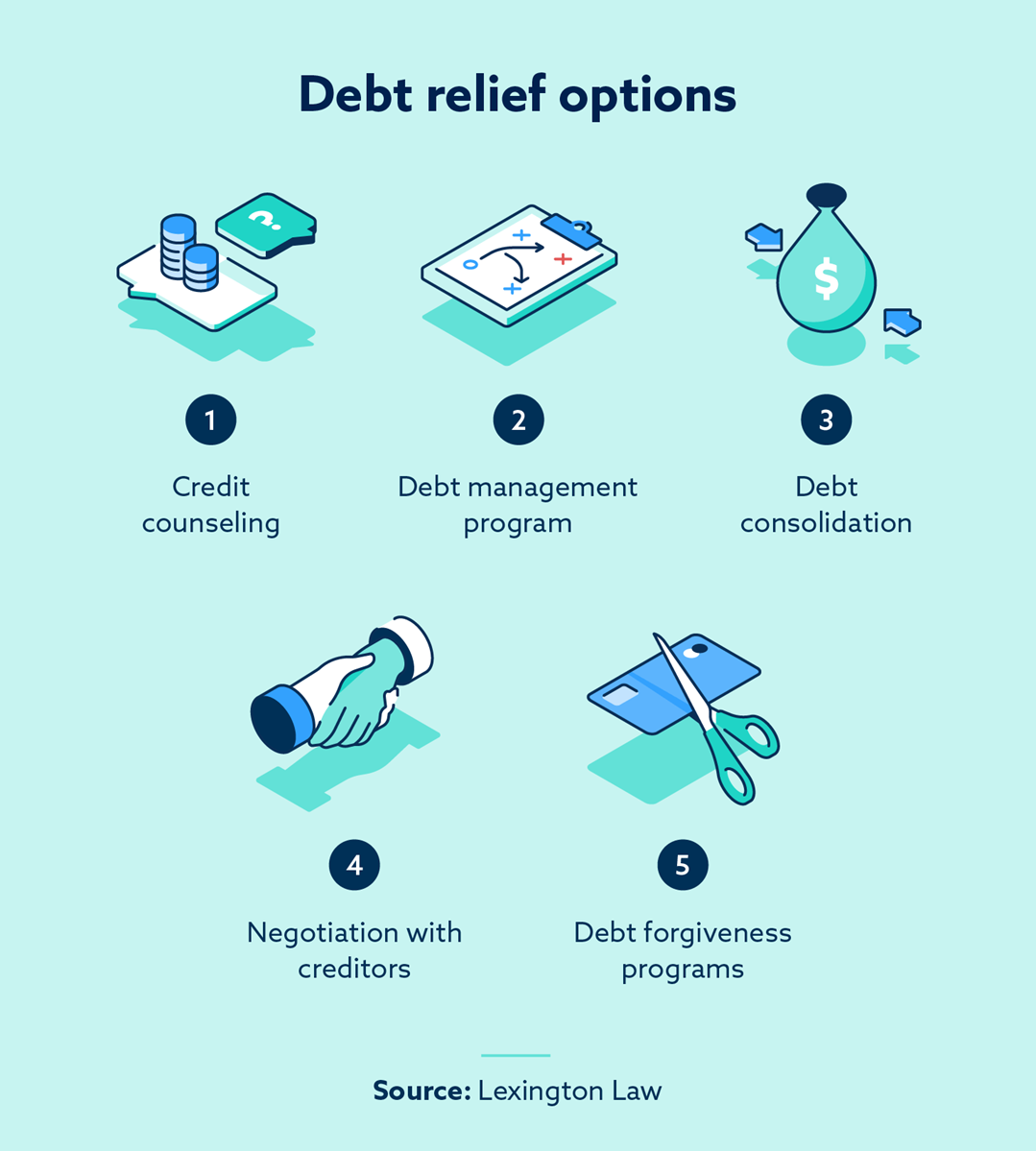
That gives you plenty of time to get rid of or dramatically minimize your balance while making interest-free repayments.
What Does Private Financial counseling for veterans in California facing high rent and everyday living costs Programs Explained Do?
You might require it if your financial institution or a collection firm ever tries to accumulate on the financial obligation in the future. The letter might verify you do not owe what the collection firm's documents reveal. Yes, most of the times, the IRS thinks about forgiven financial obligation as taxable earnings. When a lender forgives $600 or more, they are required to send you Kind 1099-C.
Financial obligation mercy or settlement often injures your credit scores. Anytime you work out a debt for much less than you owe, it may look like "worked out" on your debt record and impact your credit report for 7 years from the day of settlement. Your debt can also go down significantly in the months causing the forgiveness if you fall back on payments.
Get This Report about Certified Guidance Preserves What You've Built
Tax debt concession programs Tax obligation debt occurs when the amount of tax obligations you owe surpasses what you have actually paid. This circumstance typically arises from underreporting revenue, not filing returns promptly, or discrepancies discovered during an IRS audit. The consequences of accumulating tax obligation debt are serious and can consist of tax liens, which provide the internal revenue service a legal insurance claim to your residential property as protection for the financial debt.
Wages and Bank Accounts IRS can impose (seize) salaries and financial institution accounts to satisfy the debt. Residential or commercial property Seizure In extreme situations, the IRS can take and sell residential property to cover the financial obligation.
Social Preconception Dealing with lawful activity from the Internal revenue service can bring social preconception. Work Opportunities A poor credit scores rating due to strain financial obligation can restrict employment opportunities. Federal government Benefits Tax obligation financial debt may affect eligibility for federal government advantages, such as Social Protection and Medicaid.
The Best Guide To Support Available for Anyone's Financial counseling for veterans in California facing high rent and everyday living costs Journey
The OIC considers a number of factors, including the taxpayer's revenue, costs, asset equity, and ability to pay. Successfully discussing an OIC can be intricate, calling for a complete understanding of the internal revenue service's guidelines and a strong argument for why your offer aligns with your ability to pay. It's important to note that not all applications are approved, and the process requires thorough financial disclosure.
The internal revenue service analyzes your total economic situation, including your income, expenditures, possession equity, and capacity to pay. You should also be existing with all declaring and repayment requirements and not be in an open personal bankruptcy case. The IRS likewise considers your compliance history, reviewing whether you have a record of prompt filing and paying tax obligations in previous years.
Unsecured Debt Forgiveness Options - Questions
The application procedure for an Offer in Concession involves numerous detailed actions. You must complete and submit IRS Type 656, the Deal in Concession application, and Kind 433-A (OIC), a collection info statement for people. These forms need detailed economic information, consisting of details about your revenue, financial obligations, expenses, and properties.
Back taxes, which are unpaid tax obligations from previous years, can considerably increase your overall internal revenue service financial obligation otherwise addressed quickly. This financial obligation can accrue rate of interest and late payment penalties, making the original amount owed much larger gradually. Failing to repay taxes can lead to the internal revenue service taking enforcement actions, such as releasing a tax lien or levy versus your home.
It is essential to deal with back taxes as soon as feasible, either by paying the full quantity owed or by arranging a settlement strategy with the internal revenue service. By taking aggressive steps, you can avoid the build-up of extra rate of interest and fines, and stop extra aggressive collection activities by the internal revenue service.
One usual reason is the idea that the taxpayer can pay the full amount either as a round figure or via a settlement plan. The IRS also thinks about the taxpayer's income, expenditures, possession equity, and future earning potential. If these elements suggest that the taxpayer can manage to pay greater than the provided amount, the internal revenue service is most likely to deny the deal.
A Biased View of Everything to Expect In the Bankruptcy Process
Dealing with Internal revenue service financial obligation can be complicated and challenging. Tax obligation experts, such as Certified public accountants, tax obligation lawyers, or signed up representatives, can offer very useful assistance.

Table of Contents
Latest Posts

The Basic Principles Of Maintaining Post-Debt Financial Plan for Permanent Success

Top Guidelines Of Actual Experiences of Online vs Phone Bankruptcy Counseling: Pros Clients

Facts About Rebuilding Personal Credit Rating the Strategic Way Revealed
More
Latest Posts
The Basic Principles Of Maintaining Post-Debt Financial Plan for Permanent Success
Top Guidelines Of Actual Experiences of Online vs Phone Bankruptcy Counseling: Pros Clients
Facts About Rebuilding Personal Credit Rating the Strategic Way Revealed